
New Construction Buyer Guide: Las Vegas Area
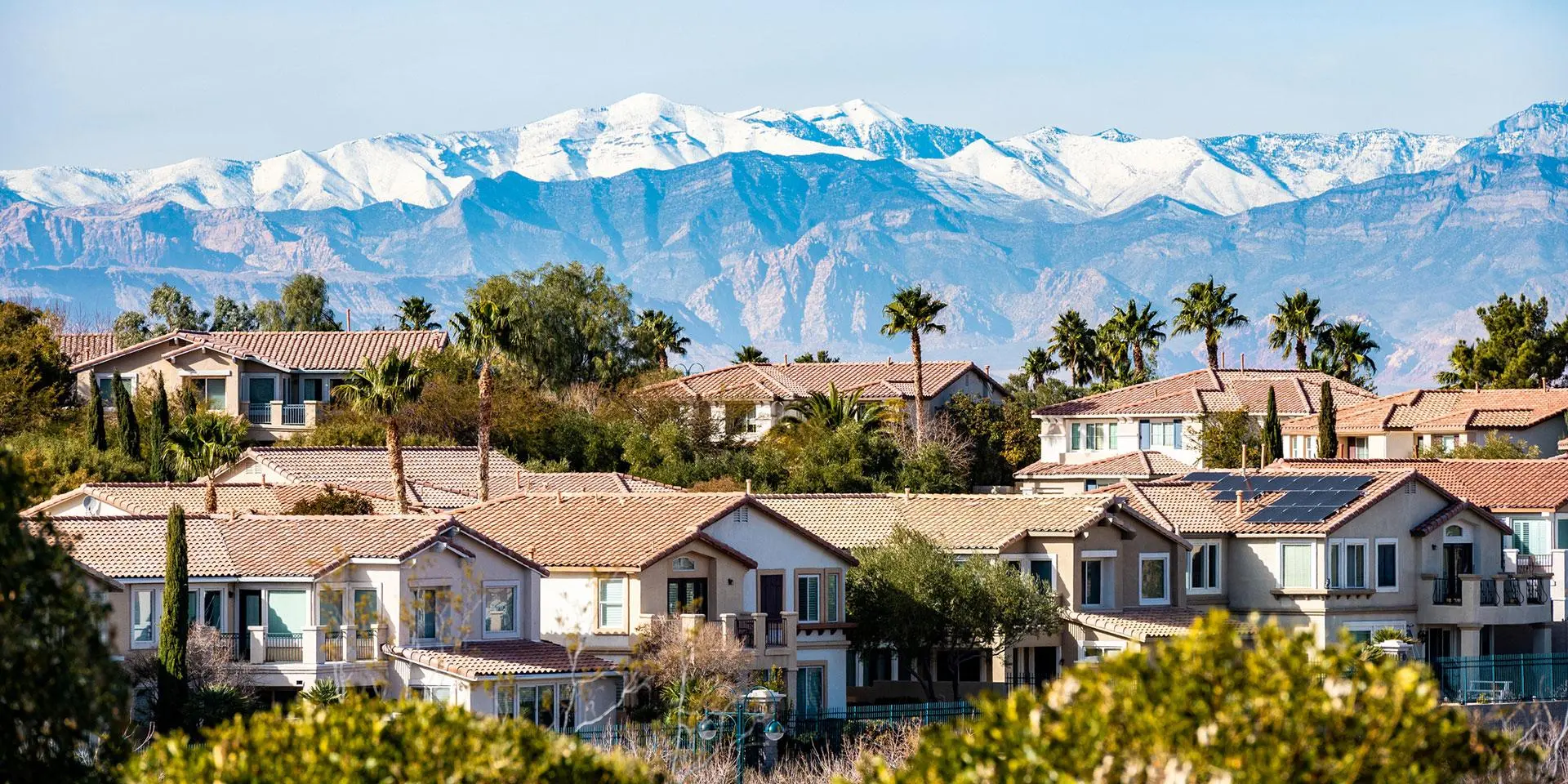
Buying new construction in the Las Vegas area works differently than buying resale. The seller is a builder, not a homeowner, the price isn't really "the price," and the person sitting at the sales office desk works for the builder — not for you. None of that means new construction is a bad option. It means going in informed changes the outcome. Here's what to know before your first visit to a sales office.
What Counts as New Construction
"New construction" covers a few different situations, and knowing which one you're looking at changes how you negotiate and how long you'll wait to close.
Spec homes are already built or nearly finished. What you see is close to what you'll get, and the builder often has more room to negotiate on price or incentives since the home is sitting as inventory.
Quick move-in homes are complete or within a few weeks of completion, usually with a fixed set of finishes already selected.
To-be-built homes exist only on paper (or as a model) when you sign. You'll pick a floor plan, lot, and finishes, then wait through the full build cycle.
Each type shows up differently in the MLS and in county records — a home the assessor still lists with an older filing date may simply reflect when the subdivision was platted, not when your specific home was built. If you're comparing options, ask directly what stage each home is in rather than assuming from the listing alone.
Why You Should Bring Your Own Agent — Before Your First Visit
This is the part most first-time new construction buyers get wrong, and it costs them nothing to get right.
When you walk into a builder's sales office, the representative at the desk works for the builder. They're professional and helpful, but their job is to sell you that builder's home on that builder's terms. If you register on your first visit without your own agent, you generally lose the ability to bring one in later for that home.
Here's the part that surprises people: using your own agent doesn't cost you anything, and it doesn't raise your price. Builders build agent commissions into their pricing and budget for it whether you bring one or not. If you show up unrepresented, the builder typically doesn't pass those savings to you — they simply keep the difference. Your agent reviews the purchase agreement (which is written entirely in the builder's favor), tracks timelines and deposit deadlines on your behalf, attends walk-throughs with you, and flags things you'd have no way to know to look for on your own.
The only action required: register your agent's name on the sign-in sheet or online form at your very first visit to any sales office, before you tour a model or talk pricing.
Builder Incentives: What They're Really Worth
Builders regularly offer incentives to move inventory — but the sticker price and the incentive are two separate numbers, and you should evaluate the deal by what they add up to, not by the incentive alone.
Common incentive types:
Rate buydowns — the builder pays to reduce your mortgage interest rate, either for the life of the loan or temporarily for the first year or two. Ask which type before comparing offers; a temporary buydown looks bigger on paper but costs less to the builder.
Closing cost credits — a set dollar amount applied toward your closing costs, sometimes contingent on using the builder's preferred lender.
Design center credits — dollars toward upgrades and finishes, usable only within that builder's design catalog and only at that builder's markup.
None of these are inherently good or bad. The way to evaluate any of them: calculate what you'd pay monthly and at closing with the incentive, then compare that same math against a comparable home without the incentive but with a lower base price or more negotiating room elsewhere. The incentive that sounds biggest on a sign isn't always the one that saves you the most.
Deposits and Build Timeline
Expect an earnest deposit at contract signing, with the amount varying by builder and by how far along the home is. Spec and quick move-in homes typically carry a smaller deposit; to-be-built homes — especially with structural or floor-plan customization — often require a larger one, paid in stages as the build progresses.
Read the contract's deposit language carefully. Many builder contracts include deposit amounts, or portions of them, that become non-refundable at defined points in the process. This is standard in new construction, but the specific triggers vary by builder — know them before you sign, not after.
Timeline expectations:
Spec or quick move-in: typically 30–60 days to close, similar to a resale timeline.
To-be-built: commonly six months to a year or more, depending on the builder's current backlog, the complexity of your selections, and supply timing on materials.
Ask for the builder's current average timeline for your specific floor plan and community — not a general estimate — since backlogs vary significantly from community to community and season to season.
The Walk-Through and Punch-List Process
Before closing, you'll typically go through two formal walk-throughs:
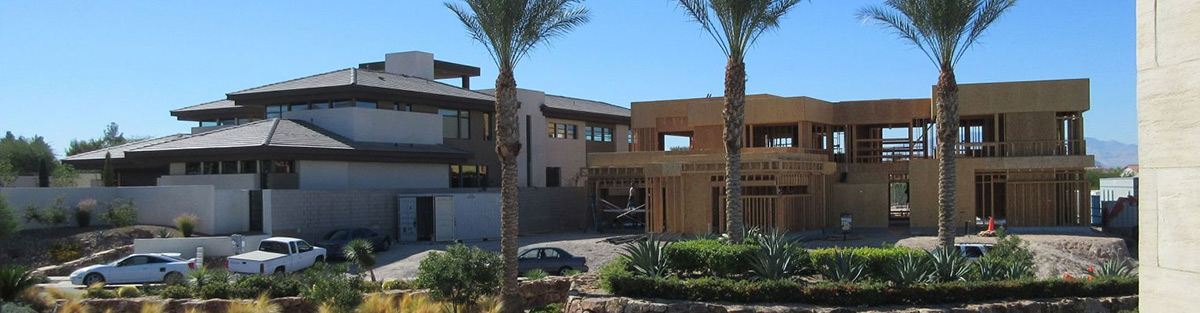
Pre-drywall walk (to-be-built homes only) — before the walls are closed up, giving you and your agent a chance to visually confirm framing, plumbing, and electrical rough-in match what was specified.
Final walk-through — shortly before closing, to inspect finishes, appliances, and overall condition and to compile a punch list of items needing correction.
The punch list is a written record of everything that needs fixing before, or shortly after, closing. Get every item in writing with a timeline for completion, and don't treat a verbal promise from a sales rep as a substitute for a documented punch list — this is one of the areas where having your own agent involved from the start pays off directly.
HOA and Master-Plan Considerations
Many new construction communities in the Las Vegas area are part of a larger master-planned community with its own HOA, and sometimes a sub-HOA specific to your section within it. A few things worth confirming before you sign:
Current HOA dues, and whether they're expected to increase once the builder transfers control of the association to homeowners.
Any special assessments or CID/LID fees tied to the community's shared infrastructure. SID stands for Special Improvement District and LID stands for Local Improvement District (or Limited Improvement District).
What amenities are already built versus still planned — a community's clubhouse or pool being "coming soon" is common in early phases and worth timing against your move-in date.

Frequently Asked Questions
Does it cost more to use my own real estate agent when buying new construction? No. Builders account for agent commissions in their overall budget regardless of whether you bring one. Using your own agent doesn't add to your price — it adds representation that's working for you instead of the builder.
When do I need to register my agent with the builder? At your very first visit to the sales office, before touring a model or discussing pricing. Most builders require this registration on that first visit or your agent may not be able to represent you on that home going forward.
Can I negotiate the price on a new construction home? Sometimes, particularly on spec or quick move-in inventory the builder wants to move. On to-be-built homes there's often more flexibility in incentives, upgrades, or lot premiums than in the base price itself.
How long does it take to build a new home in the Las Vegas area? Spec and quick move-in homes typically close in 30–60 days. To-be-built homes commonly take six months to a year or longer, depending on the builder's backlog and your selected options.
What's the difference between a builder's preferred lender and using my own? A builder's preferred lender often comes with an incentive (like a credit or rate buydown) tied to using them, but you're not required to. Compare their offer against your own lender's rates and fees before deciding — sometimes the incentive outweighs a slightly better outside rate, sometimes it doesn't.
What is a punch list? A written list, compiled during your final walk-through, of items that need to be fixed or completed before or shortly after closing — things like paint touch-ups, missing hardware, or appliance issues.
Will my HOA dues go up after I move in? They can, particularly once the builder transfers control of the HOA to homeowners. Ask what the current dues cover and whether an increase has already been discussed or budgeted.
Is a new construction home covered by a warranty? Most builders provide a structural warranty along with shorter-term warranties on systems and finishes — terms vary by builder, so ask for the specific warranty document rather than relying on a verbal summary.
Ready to see what's currently selling? Browse active new construction communities in the Las Vegas area, or go straight to new construction homes for sale now.